Dropping in…

Sea Global MAP · 2027

Ready to drop.

Three drops I've already landed.

01Build1 AI system built solo, tested with 48 participants.Master's thesis
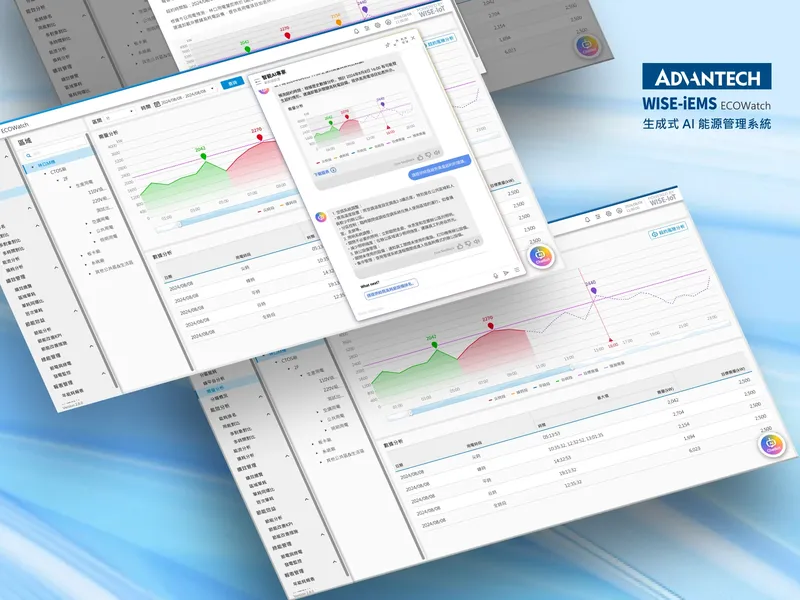
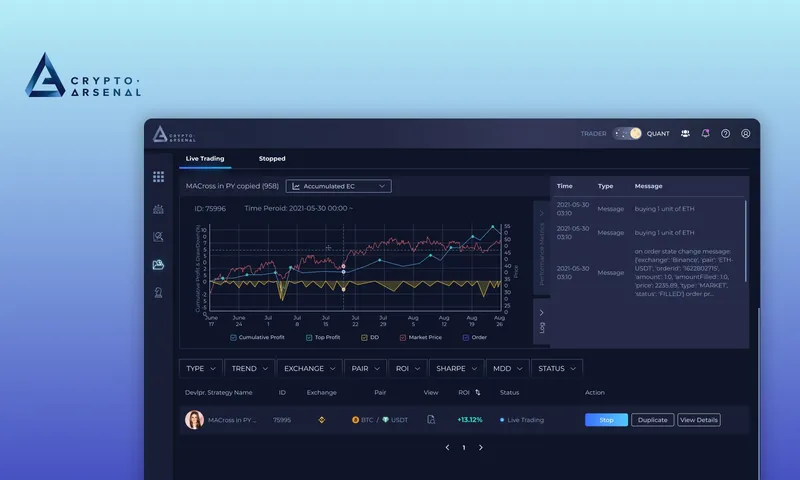
02Design3 core trading flows launched; tablet and mobile designs for 20+ desktop pages.UI/UX internships · Crypto-Arsenal, Advantech
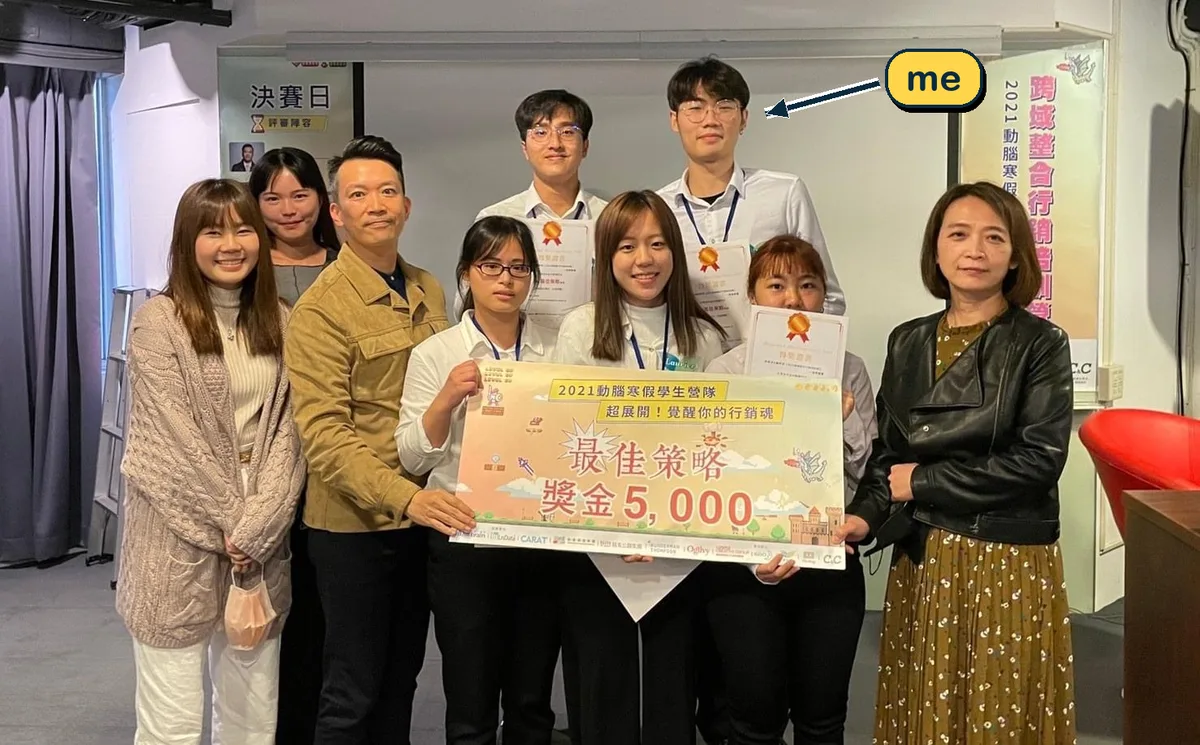
03CoordinateTeams in 2 countries kept on schedule; materials ready about 1.5 weeks early.LCFC

Base camp · Motivation

Each role showed me one stage of a product. At Garena, I want to see how a game moves through all of them.

Artificial Intelligence

How I build with AI.

Built solo, deployed, and tested with 48 participants.

2024–2026Master's thesis · AI feedback system

AI feedback system · 4 test conditions

I designed all four conditions myself.

View on GitHub ↗
01 · Why I studied this

Designers now treat generative AI as a creative partner, not just an image library. Most studies compare how good the AI's output is; fewer look at how its feedback changes the way a designer thinks.

Research question

Should AI feedback read the designer's sketch or only the task, and should it come back as text or as an image?

02 · Four conditionsGuidance source × Output format
Active pathSketch-based prompt → Text feedback

Writes feedback on the idea as it changes, using the users and needs the participant set.
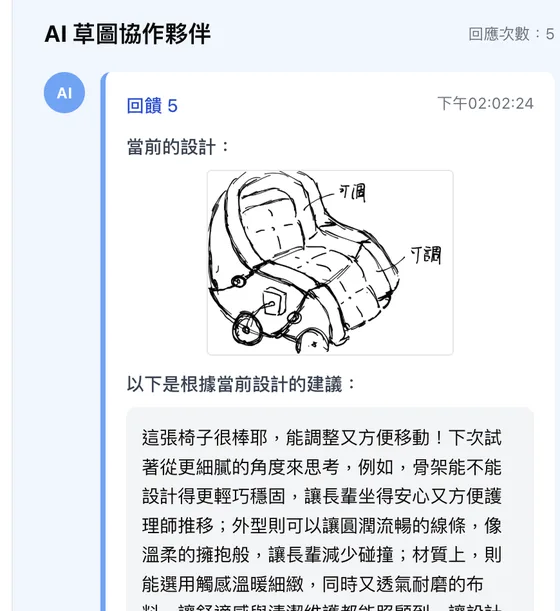
The system's feedback panel: the participant's current sketch, then written suggestions based on it.
03 · How the study ran

48 students from five universities took part, each in one condition; 42 gave valid data. They had 20 minutes to sketch a chair for a long-term care center, asking the AI for feedback after every sketch, then filled in a questionnaire and joined a short interview.

04 · What I found

Image feedback reliably helped people produce more ideas. Variety depended on the pairing: images worked best with Sketch-based feedback, text with Task-based. Easy-to-follow Task-based suggestions made people feel more supported. No single mode won on every measure, so how the AI gives feedback matters as much as what it generates.

See the full process · 6 steps
Current step · Research brief

Turn the question into comparable conditions.

The study needed more than one AI-feedback mode, so the condition structure became part of the product design.

Decision path1 / 6

Game Design

My player observations.

What made me pay, and what brings me back.

Pokémon TCG Pocket booster packs, pack points, and navigation in the game interface
2024–nowReached Master Ball rank

Why I came back · A daily ritual

Pokémon TCG Pocket

  • How it plays2 free packs a day on a timer; ranked battles pay out hourglasses.
  • How it earnsPoké Gold skips pack timers; a monthly Premium Pass adds a daily pack.
  • Why it workedI spend those hourglasses on extra packs, so steady daily play keeps the collection growing.
Official App Store screenshot · The Pokémon Company

Next drop · After I join

My rotation plan.

In 2 years: 20+ launches tracked on paying rate and 7-day return, and 1 AI tool my team uses weekly.

  1. Rotation 1 · Hands-on

    Ship one live event

    Built around the weekly patch and player feedback, then reported on paying rate and 7-day return.

  2. Rotation 2 · New market

    Adapt a launch to a new market

    Join a Free Fire team in a market new to me, learn the local team's reasoning first, then adapt one launch to its players.

  3. Rotation 3 · Player data

    Test one player hypothesis

    Turn player feedback and community threads into one hypothesis, A/B test it by 7-day return, and hand the result to the dev team.

  4. Rotation 4 · C-suite project

    Build 1 AI tool for the team

    It connects more than one team and gets used every week.

Sources: Sea Global MAP ↗ · Life at Garena TW ↗